Humidity changes what paint has to do
Malaysian walls take a beating that dry climates never see. Warm air holds moisture, monsoon rain drives damp into older plaster, and air conditioning cools surfaces until water beads along the coldest spots. That is why a tin labelled “interior emulsion” is only the start of the conversation. The coat that fails first is often the one that never sealed the surface underneath.
If you are comparing options from a Malaysian paint manufacturer overview, treat the product chart as a map of chemistry families rather than a shopping list. Wall sealers, wood adhesives and floor systems solve different moisture and abrasion problems. Mixing those jobs into one “all purpose” tin is how peeling starts six months later.
Walk a room after heavy rain and you can usually spot the clues: darkened patches behind furniture, chalky powder on old emulsion, or a soft feel at the bottom of a timber skirting. Those clues tell you which chemistry to ask for before anyone opens a colour fan deck.
Wall sealers come before colour
A sealer’s job is dull but essential. It binds dusty plaster, reduces suction so the topcoat spreads evenly, and can block mild stains. On new cement render, a proper sealer stops the first coat from disappearing into the wall. On previously painted rooms, a stain-blocking sealer can keep nicotine or water marks from ghosting through fresh colour.
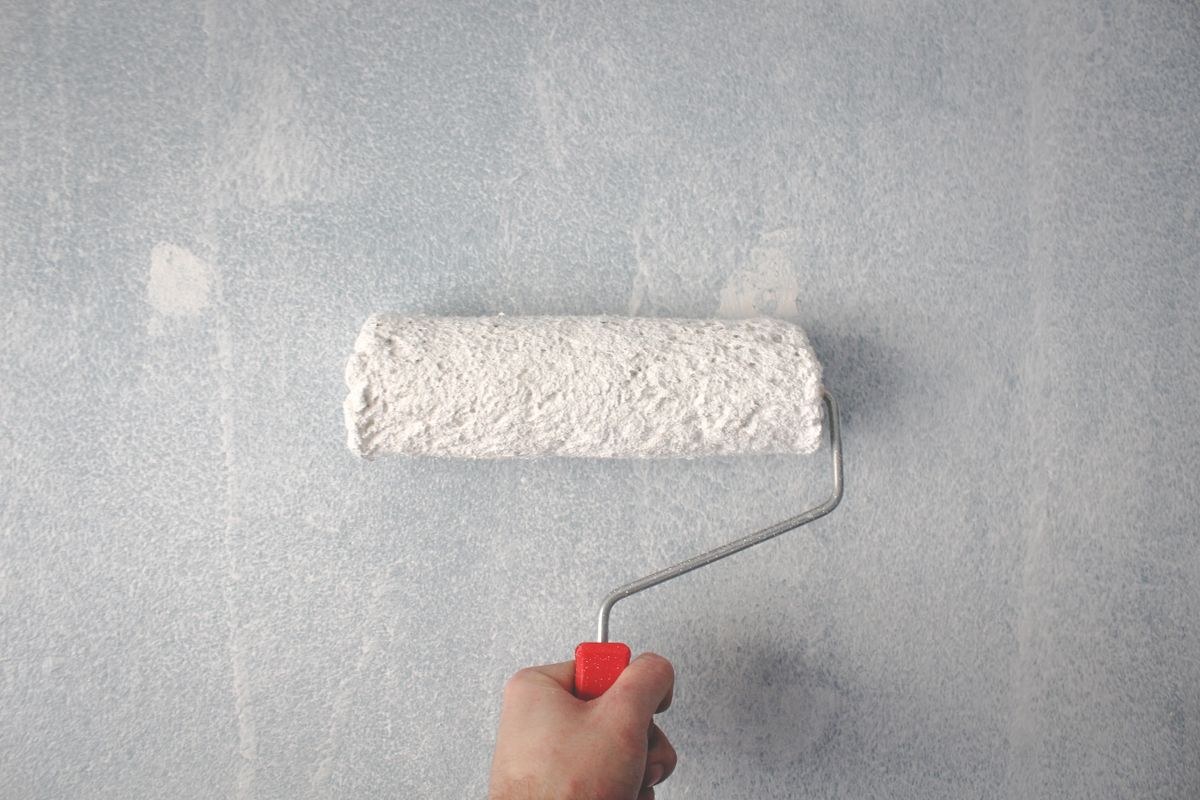
Industry groups such as the American Coatings Association publish plain explanations of how primers and finish coats share work across a system. Locally, product claims still need to match Malaysian humidity and the substrate in front of you, not a brochure photo from somewhere cooler.
Ask painters how long they leave a sealer before the first colour coat, and whether they sand glossy enamel. Skipping those steps saves an hour and often costs a second full repaint.
Woodwork and glue are a separate conversation
Skirting, door frames and built-in cabinets fail at joints long before the face looks tired. Wood moves with moisture. A finish that looks glossy on day one can crack at mitres if the timber was not dry, or if the adhesive under a veneer never cured properly. Ask whether a wood glue is for interior furniture, exterior joinery or flooring, and whether it needs clamping time in a warm workshop.
Standards bodies like Jabatan Standard Malaysia maintain catalogues of Malaysian Standards that manufacturers reference for adhesives and coatings. You do not need to memorise the numbers, but asking which standard a product claims to meet is a fair question when a contractor quotes two very different prices for “wood finish”.
A clear walkthrough of roller loading and overlapping passes on interior walls.
Floors demand abrasion resistance, not just colour
Epoxy and other hard floor coatings show up in garages, workshops and food prep areas because colour alone will not survive forklifts, oil or frequent wet mopping. Thickness, surface preparation and cure time matter more than brand slogans. A thin decorative coat over dusty concrete usually delaminates; a properly abraded and primed slab behaves differently.
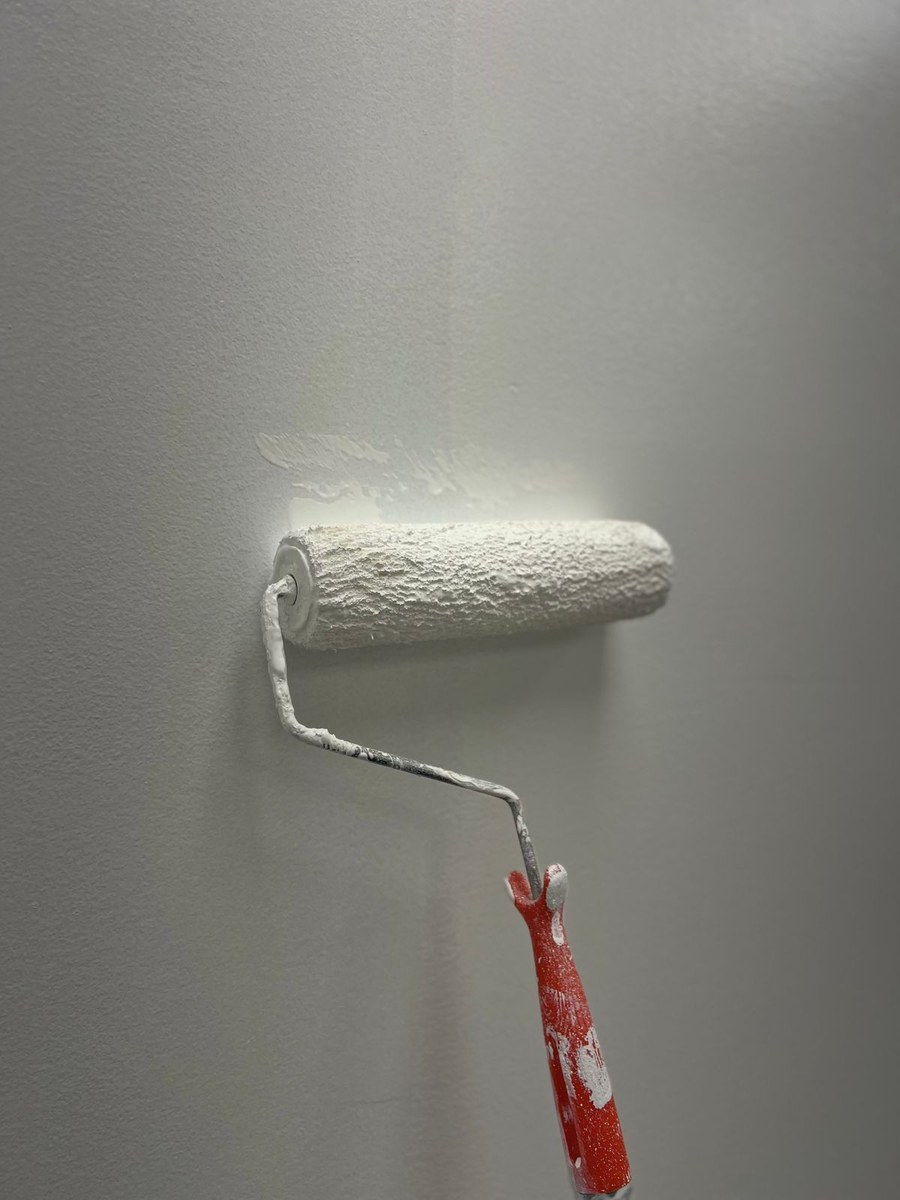
Corrosion and protective coating communities such as AMPP focus on industrial environments, yet the same prep logic travels down to a home workshop floor: clean, profile, then coat. When you read through a maker such as Kossan Paint for floor systems, look for stated use cases and recoat windows rather than only colour charts.
A short checklist before the ladder comes out
Walk the room with a torch. Note damp patches, chalky old paint, shiny enamel that needs sanding, and timber that feels soft. Match product type to that list before you fall in love with a colour card. Keep leftover tin labels with batch numbers; they are useful when a touch-up six months later refuses to blend.
Good paint jobs in Malaysia are mostly preparation stories. Colour is the visible last chapter, and it only looks expensive when the layers underneath were chosen with the climate in mind.