Two small appliances that decide how a Malaysian home feels
Ask anyone who has moved into a new terrace or condo what they fixed first, and the answer is often the same pair: a hot shower that works, and a fan that actually moves air in the bedroom. Neither appliance is glamorous. Both get used every single day, and both involve electricity in places where a bad installation can do real harm. That makes them worth a little homework before the contractor arrives.
This guide looks at instant water heaters first, because the safety stakes are higher, then at ceiling fans, where the choices are mostly about comfort and running cost.
How an instant heater works, and what “with pump” changes
An electric instant heater warms water as it flows through the unit, so there is no tank to wait for. Power ratings of around 3 to 5 kW are common for a single bathroom. The catch is water pressure. On upper floors of older flats, or in houses fed from a roof tank, the flow may be too weak for the heater to trigger reliably or for the shower to feel satisfying. A built in booster pump solves that, at the cost of a little noise and a slightly higher price.
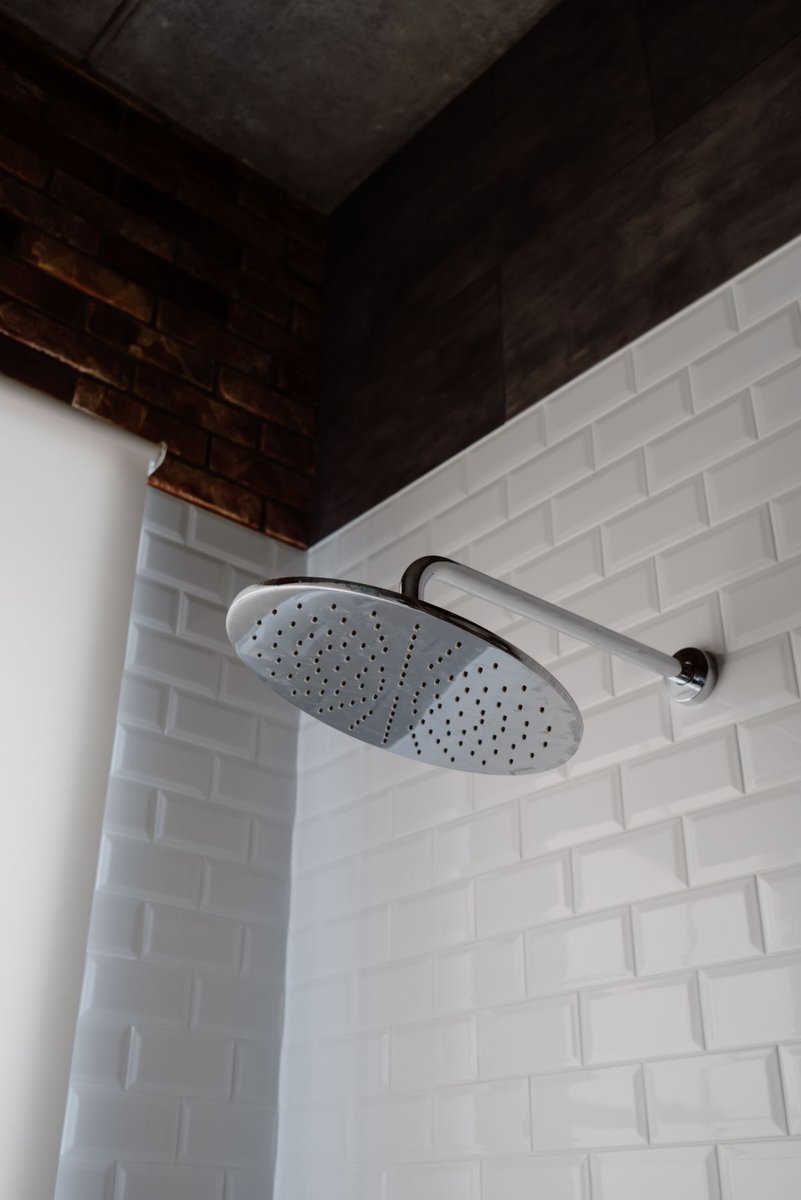
If you are weighing the two, this explainer on instant heaters with and without a pump walks through how to match the type to your home’s pressure, plus shower head choices such as rain and handheld sets. A simple test helps too: open the bathroom tap fully and time how long it takes to fill a 5 litre pail. A slow fill points towards a pump model.
Safety checks the Energy Commission cares about
This is the part not to skip. Suruhanjaya Tenaga hosts guidance on installing and maintaining domestic water heaters, and the message is blunt. A water heater should have its own residual current device rated at 10 mA or less, on top of the main protection at the distribution board. Cables need to be sized for the heater’s load, and a 4 mm² cable is the minimum shown for typical home units. The presentation also reviews fatal cases where a metal shower hose and a faulty main RCD were both present, and it recommends a non conductive hose for that reason.
In practice, that gives you three questions for whoever does the job. Is the person a wireman or electrical contractor registered with the Energy Commission? Will the heater have a dedicated 10 mA RCD and a proper isolator switch near it? Is the unit itself certified, with the Energy Commission and SIRIM label on the box?
Maintenance is simple but easy to forget. The Electrical and Electronics Association of Malaysia’s tips for electric water heaters suggest pressing the test button on the heater’s ELCB once a month to confirm it cuts power, checking that the home’s main ELCB also works, and never spraying water directly at the casing.
Ceiling fans: size, motor and the smart question
Fans are kinder decisions. Start with blade span against floor area. A 42 to 46 inch fan suits a standard bedroom, while a living room of 25 to 40 square metres usually wants something closer to 54 or 56 inches. Ceiling height matters as well. Blades too close to the ceiling choke airflow, and low ceilings may need a hugger mount for clearance.
Most newer fans use DC motors, which tend to draw less power than older AC models, run more quietly and offer more speed steps. That last point matters in bedrooms, where the lowest speed is what you live with all night. Browsing a range of DC motor fans grouped by room size is a quick way to see how blade span, wattage and air delivery figures line up before you visit a dealer.

WiFi or app control is genuinely useful if you like schedules, or if you want to switch the fan on before you get home. It is less useful if everyone in the house just grabs the remote. Decide based on habits, not on the feature list.
One free tweak applies to every fan. ENERGY STAR’s ceiling fan usage tips point out that fans cool people rather than rooms, so switch them off in empty rooms, and run them counterclockwise in hot weather to push air down and create that wind chill feeling.
A plumber’s view of electric tankless units, useful background even though the wiring rules shown differ from Malaysia’s.
A weekend plan before buying either
Do the pail test in each bathroom, photograph your distribution board, and measure every room you want a fan in. Then talk to a registered electrician with those notes in hand. You will get a clearer quote, and the safety items will be part of the plan rather than an afterthought.